Most people start looking for Non-surgical techniques for healing gums when they notice bleeding, tenderness, or gums that suddenly look “longer.” The mistake is assuming that anything natural, gentle, or sold online is automatically effective. It is not. The first step in healing gums without surgery is understanding what is actually being treated: bacterial plaque, inflammation, and the tissue damage that follows when both are allowed to sit too long.
That is the good news and the bad news. The good news is that early gum disease often responds well to non-surgical care. The bad news is that waiting too long narrows your options. If gum inflammation has already progressed into deeper pockets and bone loss, home care alone is rarely enough.
This is where a more honest conversation matters. Non-surgical treatment can be highly effective, but it works best when expectations are realistic. The goal is to control infection, reduce bleeding, and help the gums stabilize. It is not to promise dramatic tissue “regrowth” from a shortcut.
Featured snippet
What are the best non-surgical techniques for healing gums?
The best non-surgical techniques for healing gums usually include scaling and root planing, better daily plaque control, smoking cessation, and regular follow-up care. In selected cases, dentists may also use adjuncts such as antimicrobials or lasers. The goal is not instant regrowth. It is reducing bacteria, calming inflammation, and stopping deeper damage early.
Understanding What Gum Disease Does to the Gums
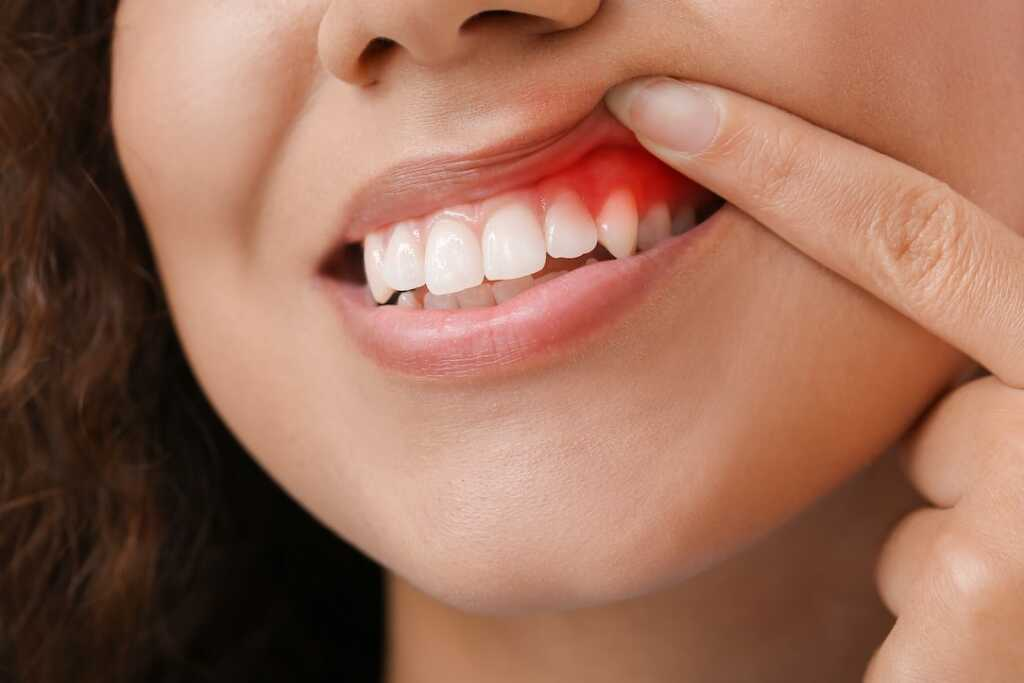
Gum disease begins when plaque builds up around the teeth and gumline. If it is not removed well, the bacteria trigger inflammation. That early stage is gingivitis, which may cause redness, swelling, and bleeding during brushing or flossing. If the problem continues, the gums can begin pulling away from the teeth, pockets can form, and the condition may progress to periodontitis.
Several factors can make this worse, including smoking, diabetes, poor plaque control, hormonal shifts, and certain medications. Smoking is especially damaging because it raises gum disease risk and can make treatment less effective. Diabetes can also make gum problems harder to control and slower to heal.
That is why “healing gums” is not just about soothing the surface. The real work happens when bacterial load is reduced and the gums are given a chance to calm down.
Best Non-Surgical Treatments for Healing Gums Naturally
Non-surgical techniques for treating gum disease include massage therapy and herbal remedies, both of which have been proven effective in reducing inflammation and promoting healing. Massage therapy involves gentle massage of the gums using a special tool or the fingers, which stimulates circulation and helps to eliminate toxins, while herbal remedies such as tea tree oil and echinacea can be applied topically to reduce inflammation.
Massaging Gums
Massage therapy is one non-surgical technique that has shown promise in treating gum disease. This technique involves applying pressure to certain points on the gums using a special tool or the fingers. The pressure helps stimulate circulation, bringing more oxygen and nutrients to the affected area, while also helping to eliminate waste products that can contribute to inflammation. In addition, massage therapy can help reduce stress levels, which is important because stress has been linked with an increased risk of developing gum disease.
Herbal Remedies
Another non-surgical option for treating gum disease is herbal remedies. These natural treatments can be applied topically or taken internally in supplement form. Tea tree oil is one popular herb that has anti-inflammatory properties and can help reduce swelling in the gums. Echinacea is another herb that has been shown to boost immune system function, which may help fight off harmful bacteria in the mouth. While these natural remedies are generally safe for most people, it’s always a good idea to consult with a healthcare professional before beginning any new treatment regimen.
Non-surgical techniques for healing gums offer many benefits over traditional surgical options. For one thing, they are less invasive and carry fewer risks than surgical procedures like gum grafts or flap surgery. Additionally, many non-surgical techniques are less expensive than surgery and may be covered by insurance plans that do not cover surgeries unless absolutely necessary. Overall, non-surgical techniques should be considered first when seeking treatment for gum disease because they offer effective, safe, and affordable options for restoring the health of your gums.
Why More People Are Choosing Non-Surgical Gum Treatments
Utilizing non-invasive methods to address gum disease can lead to significant benefits for patients, including reduced risks and costs associated with surgical interventions, as well as a potential improvement in overall oral health. Here are some of the benefits of non-surgical techniques:
- Cost-effective options: Non-surgical techniques such as scaling and root planing are less expensive than surgical procedures like gum surgery or dental implants. This means that patients can receive effective treatment without breaking the bank.
- Quick recovery: With non-surgical techniques, there is little to no downtime required for recovery. Patients can return to their normal activities immediately after treatment, which means they don’t have to take time off work or school.
- Less pain: Non-invasive methods typically cause less discomfort compared to surgical interventions, which often require anesthesia and leave patients with swelling and soreness.
- Improved oral health: By addressing gum disease early on with non-surgical treatments, patients may be able to prevent further damage to their teeth and gums, leading to overall better oral health.
Incorporating these cost-effective options and quick recovery into your dental care routine can lead to improved oral health outcomes without having to undergo invasive procedures such as laser therapy procedure.
Laser Gum Therapy: Can Lasers Heal Damaged Gums?
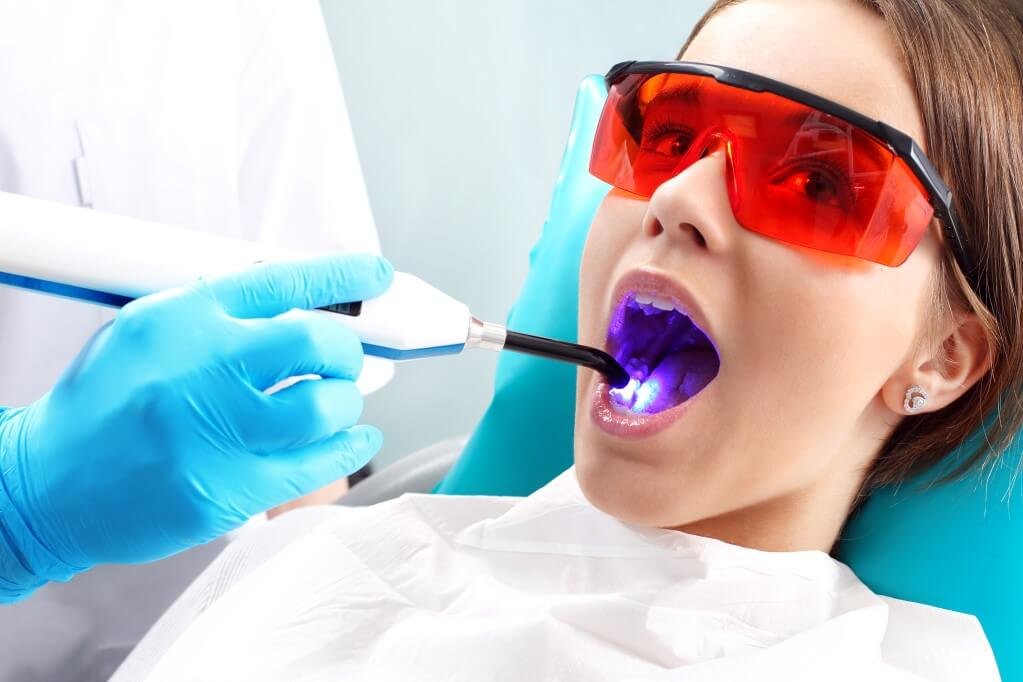
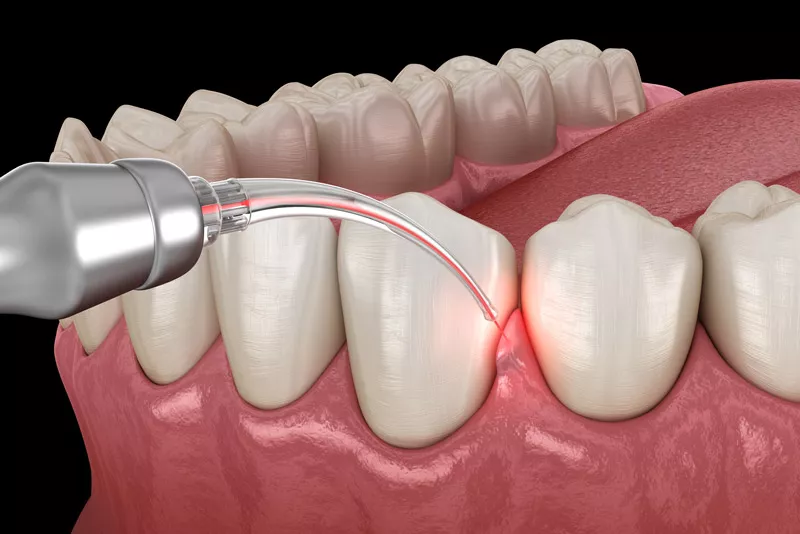
Laser therapy procedure is a minimally-invasive treatment option for individuals seeking to address gum disease. This non-surgical technique involves using a focused beam of light energy to remove bacteria and promote tissue healing. Laser therapy effectiveness has been shown to be on par with traditional treatment options such as scaling and root planing, but without the same level of discomfort or invasiveness.
In addition to its comparable effectiveness, laser therapy offers several advantages over traditional treatments.
- First, it is a quick procedure that can be completed in just one visit, whereas traditional treatments often require multiple visits.
- Second, laser therapy is less painful than other techniques since it does not involve cutting or stitching of the gums.
- Finally, cost comparison with traditional treatment options reveals that laser therapy can be more expensive upfront but may ultimately save money in the long run due to fewer follow-up visits required.
The benefits of laser therapy make it an attractive option for those seeking non-surgical techniques for healing their gums. However, it is important to note that not all patients are good candidates for this procedure and should consult with a periodontist before making any decisions about their treatment options.
Deep Cleaning for Gum Disease: Does Scaling and Root Planing Work?
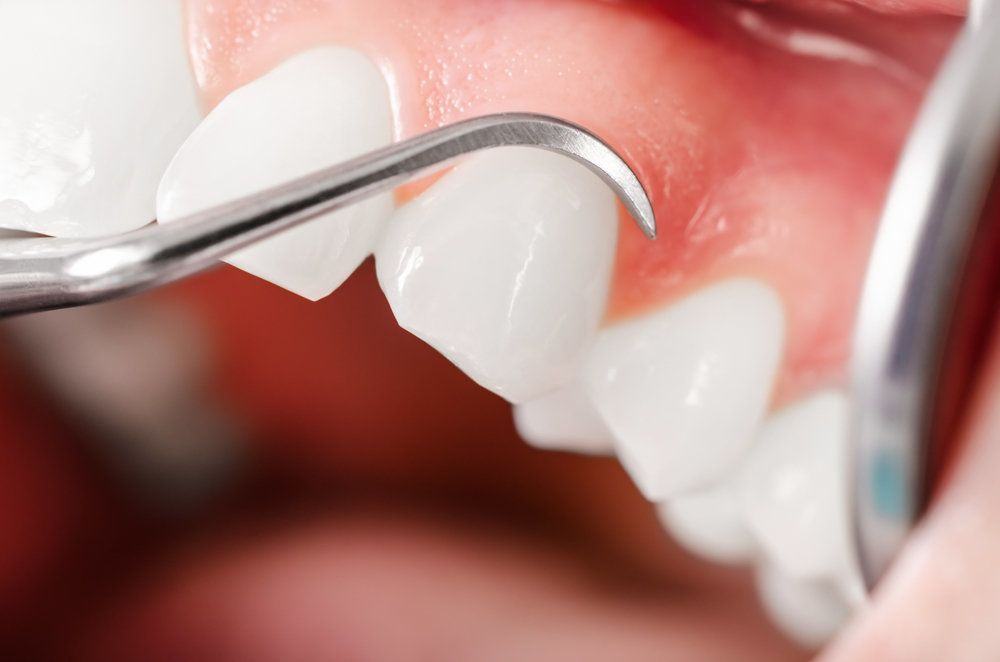
Scaling and root planing is a non-surgical procedure used to treat periodontal disease. If you want the most established non-surgical technique for healing gums, start here. Scaling and root planing is the standard deep-cleaning approach used to treat gum disease below the gumline. Scaling removes plaque and tartar from above and below the gums, while root planing smooths the tooth root so bacteria are less likely to cling to rough areas.
This matters because brushing and flossing are necessary, but they cannot remove hardened tartar once it has formed below the gumline. That buildup has to be removed professionally. For many patients with gingivitis or early to moderate periodontitis, this is the turning point that allows the gums to begin settling down.
It is not glamorous, but it works. That is more than can be said for a lot of trendy gum “hacks.”
Can Antibiotics Help Heal Gum Disease?
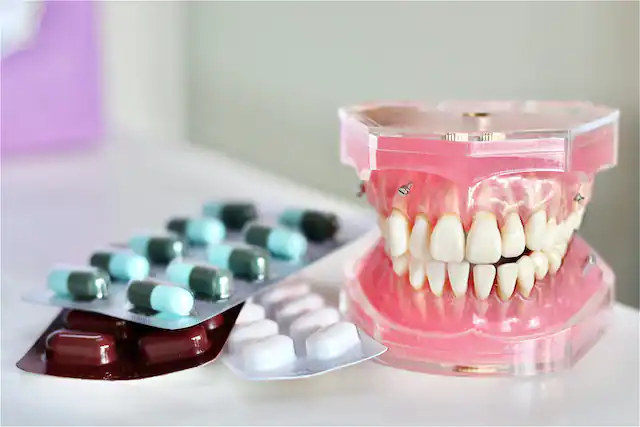
Antibiotics can be part of non-surgical gum treatment, but they are not the foundation. They may be used in selected cases to reduce bacterial burden, especially when deeper infection is present, but they are generally considered adjuncts to mechanical cleaning, not replacements for it. The ADA guideline on nonsurgical periodontitis treatment centers on scaling and root planing, with or without adjuncts.
That distinction matters because people often want the simplest fix. A pill feels easier than a deep cleaning. But antibiotics alone do not remove tartar, do not eliminate plaque-retentive roughness, and do not solve the root cause if oral hygiene stays poor.
They also come with tradeoffs. Overuse contributes to resistance, and side effects are possible. That is why antibiotic use should be guided by a dental professional, not treated as a casual first step.
Daily Habits That Help Heal Gums Naturally
Professional treatment works better when the home routine stops feeding the problem. That means brushing twice daily with fluoride toothpaste, cleaning between teeth regularly, and keeping up with dental visits. NIDCR specifically recommends brushing twice a day, flossing or cleaning between teeth, visiting the dentist routinely, and quitting smoking to help keep gums healthy.
Technique matters too. Aggressive brushing can irritate the gums, while inconsistent plaque removal lets inflammation linger. If gums are already inflamed, the goal is not to scrub harder. It is to clean more consistently and more gently.
Also Read: https://gumlinehealer.com/brushing-and-flossing-tips/
Patients often underestimate this part because it sounds too basic. That is exactly why it gets missed.

Can Nature’s Smile Help Heal Gums Naturally?
Many people looking for non-surgical techniques for healing gums eventually discover Nature’s Smile Gum Balm and Nature’s Smile Oral Rinse because both products are designed to support gum health naturally while targeting plaque buildup, gum inflammation, bleeding gums, and bad breath.
Nature’s Smile Gum Balm uses a thick herbal formula that stays attached to the gum line longer. As it is made with active botanical ingredients that work deeper around irritated gum pockets and problem areas. For people looking to add a non-prescription gum-care product, Nature’s Smile fits best as a supportive step inside a broader routine as a non-surgical cure for gum disease.
Key Nature’s Smile Ingredients
Nature’s Smile contains plant-based ingredients traditionally used for oral care support, including:
- Oak bark extract
- Yarrow
- Chamomile
- Sage
- Calendula
- Nettle
- Peppermint oils
These ingredients are commonly associated with:
- improving bad breath naturally
- reducing gum inflammation
- supporting healthier gums
- lowering bacteria near the gum line
- helping with bleeding gums
- supporting oral tissue healing

🌿 Restore Healthier Gums Naturally — Try Nature’s Smile Gum Balm & Oral Rinse Risk-Free Today
Further Entities
- https://en.wikipedia.org/wiki/Scaling_and_root_planing
- https://www.ncbi.nlm.nih.gov/books/NBK557422/
- https://www.chop.edu/conditions-diseases/periodontal-disease
Frequently Asked Questions
What are the common causes of gum disease?
Gum disease, also known as periodontal disease, is a common condition that affects the gums and can lead to tooth loss if left untreated. The most common cause of gum disease is poor oral hygiene, which allows bacteria to build up in the mouth and form plaque on teeth. Other lifestyle factors such as smoking, stress, and a diet high in sugar can also increase the risk of developing gum disease. Prevention strategies include practicing good oral hygiene by brushing and flossing regularly, quitting smoking, reducing stress levels, and maintaining a healthy diet. It is important to note that early detection and treatment of gum disease can prevent further damage to the gums and teeth.
Can non-surgical techniques completely cure gum disease?
Gum disease is a common oral health issue that affects many individuals worldwide. It is caused by the buildup of bacteria in the mouth, which leads to inflammation and infection of the gums. While there are non-surgical techniques available for healing gums, such as scaling and root planing, natural remedies and lifestyle changes can also help improve gum health. Natural remedies like oil pulling with coconut or sesame oil, applying aloe vera gel or tea tree oil on the affected areas, and using saltwater rinses have shown promising results in reducing inflammation and promoting healing of the gums. Additionally, adopting a healthy lifestyle by quitting smoking, eating a balanced diet rich in vitamins C and D, drinking plenty of water, and practicing good oral hygiene habits can prevent gum disease from progressing further. While these techniques may not completely cure gum disease on their own, incorporating them into one’s daily routine can significantly improve overall gum health and prevent future complications.
Is laser therapy more effective than scaling and root planing?
Laser therapy is a non-surgical technique used for treating gum disease. It offers several benefits over scaling and root planing, a traditional method of treatment. Laser therapy is minimally invasive and has fewer side effects than traditional methods. Additionally, laser therapy can be performed more quickly than scaling and root planing, which requires multiple visits to the dentist. While laser therapy may have higher upfront costs compared to scaling and root planing, it may be more cost-effective in the long run due to its efficiency and reduced need for follow-up appointments. Overall, laser therapy appears to be a promising alternative to traditional treatments for gum disease.
Are there any side effects of antibiotic therapy for gum disease?
Antibiotic therapy for gum disease is a commonly used treatment option that can help fight off harmful bacteria in the oral microbiome. However, it is important to note that there may be potential side effects associated with antibiotic use, such as upset stomach and diarrhea. Additionally, antibiotics can also disrupt the natural balance of bacteria in the gut, leading to further health complications. To mitigate these risks, some experts recommend incorporating probiotics into one’s diet during and after antibiotic therapy to help restore beneficial bacteria and support overall gut health. While antibiotic therapy may be effective in treating gum disease, individuals should consult with their healthcare provider about potential side effects and ways to promote healthy bacterial growth through probiotics.
How often should I visit a dentist for maintenance of healthy gums?
Dental checkups are crucial for the maintenance of healthy gums. Preventive care is the best way to avoid more serious dental problems down the line, including gum disease. Visiting a dentist every six months is recommended as this allows for early detection and prevention of dental issues. During these checkups, dentists can conduct professional cleanings, assess any potential problem areas, and recommend appropriate treatment options if needed. Patients who have a history of gum disease or other oral health concerns may need more frequent checkups to ensure their gums remain healthy. By regularly visiting a dentist for preventive care, individuals can take an active role in maintaining good oral health and preventing future dental problems.
Conclusion
Non-surgical techniques for healing gums can be highly effective when gum disease is treated early before severe damage develops. Treatments such as scaling and root planing, laser therapy, antibiotic support, and improved oral hygiene can help reduce inflammation, remove harmful bacteria, and protect the gums from further recession.
If you are noticing swollen gums, bad breath, gum recession, or bleeding while brushing, taking action early is far easier and less expensive than waiting until surgery becomes necessary. The key to healthier gums is consistency. Daily brushing, flossing, professional cleanings, and reducing plaque buildup all play a major role in long-term gum health.
Many people also add all-natural product Nature’s Smile to their routine because the herbal ingredients are designed to target bacteria, support irritated gum tissue, and help improve receding gums naturally. Healthy gums begin with consistent care and the right long-term habits.
🌿 Restore Healthier Gums Naturally — Try Nature’s Smile Gum Balm & Oral Rinse Risk-Free Today